
Fire Risk Assessment vs Fire Safety Audit: Understanding the Key Differences
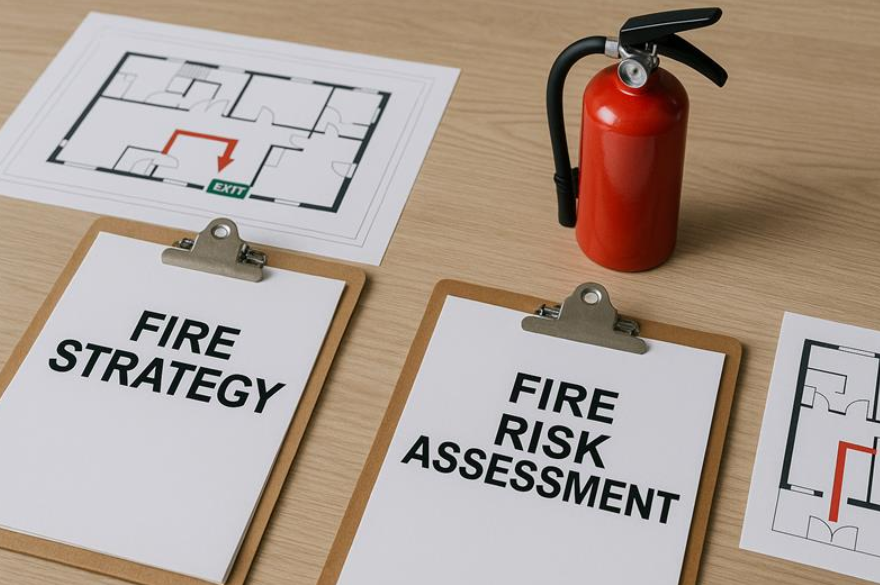
Why Fire Safety Evaluations Matter
Effective fire safety relies on structured evaluation processes. A Fire Risk Assessment and a fire safety audit are both essential tools, yet they serve different purposes. Understanding how they differ helps organizations meet legal obligations while improving overall fire safety performance.
What Is a Fire Risk Assessment?
Purpose and Legal Role
A Fire Risk Assessment is a legally required process designed to:
- Identify fire hazards
- Determine who may be harmed
- Evaluate risks
- Implement appropriate control measures
It forms the foundation of fire safety management and must be kept up to date.
Scope and Focus
The assessment focuses on:
- Fire hazards
- People at risk
- Preventive and protective measures
- Emergency arrangements
It is proactive and risk-based.
See also: Technology-Driven Public Infrastructure
What Is a Fire Safety Audit?
Audit Objectives
A fire safety audit evaluates:
- Compliance with fire safety procedures
- Effectiveness of existing controls
- Staff awareness and training
Audits are typically internal or third-party reviews.
Audit Scope and Method
Audits often involve:
- Document reviews
- Site inspections
- Staff interviews
They assess whether fire safety arrangements are working as intended.
Key Differences Between Fire Risk Assessment and Fire Safety Audit
Legal Requirement vs Best Practice
- Fire Risk Assessment: Legally required
- Fire Safety Audit: Best practice but not always mandatory
Frequency and Timing
Risk assessments are continuous and reviewed regularly, while audits are periodic checks.
Responsibility and Competence
Risk assessments require a competent assessor, whereas audits may be conducted by internal teams or external specialists.
When a Fire Risk Assessment Is Required
A Fire Risk Assessment is required:
- In workplaces
- In residential buildings with shared areas
- In public and commercial premises
It must be reviewed when changes occur.
When a Fire Safety Audit Is Beneficial
Audits are beneficial when:
- Verifying compliance
- Preparing for inspections
- Improving fire safety culture
They provide an independent view of performance.
How Both Processes Work Together
The assessment identifies risks and sets controls, while the audit checks whether those controls are implemented and effective. Together, they form a continuous improvement cycle.
Common Misunderstandings
- Believing an audit replaces a Fire Risk Assessment
- Treating audits as one-time events
- Assuming compliance equals safety
Understanding the distinction prevents gaps in protection.
Frequently Asked Questions (FAQs)
1. Can a fire safety audit replace a Fire Risk Assessment?
No, both serve different purposes.
2. Which should be done first?
The Fire Risk Assessment comes first.
3. How often should audits be conducted?
Typically annually or after major changes.
4. Are audits legally required?
Not always, but strongly recommended.
5. Who should conduct each process?
Competent persons with fire safety knowledge.
6. Do small businesses need both?
Small businesses must have a Fire Risk Assessment and may benefit from audits.
Conclusion
A Fire Risk Assessment and a fire safety audit are complementary processes that strengthen fire safety management. Understanding their differences ensures legal compliance, improves safety performance, and creates a safer environment for all occupants.