High-Impact Market Trends Overview: 621230899, 5018072224, 615805481, 3047598937, 918358338, 6783730349
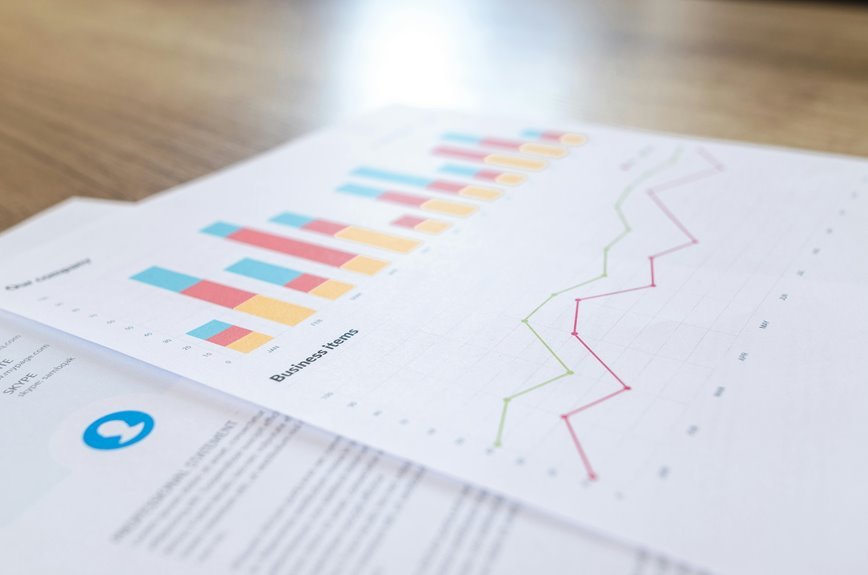
The analysis of high-impact market trends reveals a complex interplay between technology, consumer behavior, sustainability, and economic factors. Advanced technologies are reshaping operational landscapes, while consumers increasingly demand personalized experiences. Concurrently, businesses are prioritizing sustainability to meet growing expectations of corporate responsibility. Additionally, fluctuating economic indicators such as inflation and interest rates play a pivotal role in shaping market dynamics. Understanding these elements is essential for businesses aiming to navigate this evolving landscape effectively.
Technological Advancements Shaping the Market
As industries increasingly integrate sophisticated technologies, it becomes evident that advancements such as artificial intelligence, machine learning, and automation are fundamentally reshaping market dynamics.
Artificial intelligence enhances decision-making processes, while blockchain integration promotes transparency and security in transactions.
These technological innovations not only streamline operations but also empower consumers and businesses alike, fostering a landscape of increased efficiency and adaptability in the market.
Evolving Consumer Behavior Trends
How do shifting priorities among consumers impact market trends?
As consumers increasingly demand personalized marketing, businesses must adapt to enhance digital engagement. This shift reflects a growing preference for tailored experiences over generic offerings.
Consequently, companies that effectively harness data-driven insights to understand individual preferences are likely to thrive, positioning themselves favorably in an evolving marketplace characterized by heightened expectations and dynamic consumer behavior.
Sustainability and Corporate Responsibility
While many companies have long recognized the importance of profitability, an increasing number are now understanding that sustainability and corporate responsibility are equally vital for long-term success.
Emphasizing green initiatives and ethical sourcing, these organizations are reshaping their operational frameworks. This shift not only enhances brand reputation but also aligns with consumer demand for environmentally conscious practices, fostering a more sustainable marketplace.
Economic Factors Influencing Market Dynamics
Economic forces play a critical role in shaping market dynamics, influencing everything from consumer behavior to corporate strategy.
Factors such as inflation impacts and fluctuating interest rates significantly affect purchasing power and investment decisions. As inflation rises, consumers become more cautious, while higher interest rates can restrict borrowing, ultimately altering market trends and business growth trajectories in various sectors.
Conclusion
As the landscape continues to shift, businesses stand at a critical juncture, compelled to navigate the complexities of technological advancements, changing consumer expectations, sustainability imperatives, and economic fluctuations. The question looms: which organizations will adapt swiftly enough to capitalize on these high-impact trends? The interplay of these factors not only shapes market dynamics but also foreshadows potential winners and losers in an ever-evolving marketplace. The stakes are high, and the answers remain tantalizingly out of reach.