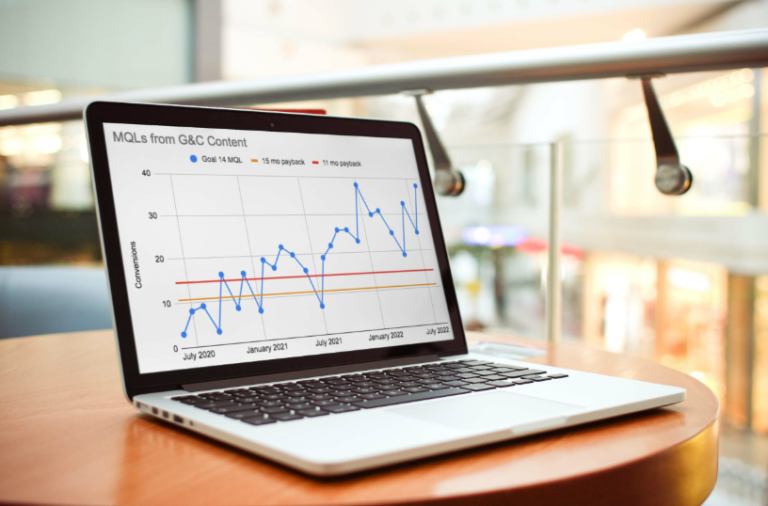
Technology-Driven Decision-Making Systems

Technology-driven decision-making systems have transformed organizational strategies by leveraging advanced analytics and machine learning. These systems enhance operational efficiency and enable swift responses to market fluctuations. However, the integration of such technologies is not devoid of challenges, including data privacy concerns and user adoption issues. Understanding both the benefits and obstacles is crucial. What key technologies are shaping the future of these systems, and how will they evolve in the coming years?
Benefits of Technology-Driven Decision-Making Systems
As organizations increasingly adopt technology-driven decision-making systems, they gain access to a suite of advantages that enhance operational efficiency and strategic insight.
Key benefits include improved data integration, which consolidates disparate information sources, and predictive analytics that enable foresight into trends and outcomes.
These capabilities empower organizations to make informed, timely decisions, ultimately fostering agility and adaptability in dynamic market environments.
Challenges in Implementing Technology-Driven Decision-Making
While the advantages of technology-driven decision-making systems are significant, organizations frequently encounter various challenges during implementation.
Key issues include concerns regarding data privacy, as sensitive information may be compromised.
Additionally, achieving user adoption can prove difficult, as employees may resist changes or feel overwhelmed by new technologies.
Addressing these challenges is essential for realizing the full potential of technology in decision-making processes.
Key Technologies Shaping Decision-Making Processes
In an era where data drives business strategies, several key technologies are fundamentally reshaping decision-making processes across various sectors.
Data analytics enables organizations to derive actionable insights from vast datasets, while machine learning enhances predictive capabilities, allowing for more informed choices.
Together, these technologies empower businesses to respond dynamically to market changes, optimize operations, and ultimately foster a culture of data-driven decision-making.
Future Trends in Decision-Making Systems
Emerging trends in decision-making systems are poised to reshape organizational frameworks significantly, particularly with the integration of artificial intelligence (AI) and advanced data visualization tools.
AI integration enhances the accuracy of predictive analytics, enabling organizations to anticipate market shifts and consumer behavior more effectively.
Consequently, these advancements empower decision-makers, fostering a culture of agility and informed risk-taking, ultimately promoting greater organizational freedom and adaptability.
Conclusion
In conclusion, technology-driven decision-making systems fundamentally enhance organizational agility and strategic effectiveness by leveraging advanced analytics and machine learning. However, as businesses navigate challenges such as data privacy and user adoption, one must consider: can organizations truly harness these tools without addressing the inherent risks? The future of decision-making lies in balancing innovation with responsibility, ensuring that technology serves as a catalyst for informed choices in an increasingly complex environment.