Why Roof Repairs Often Start With a Leak Source Investigation
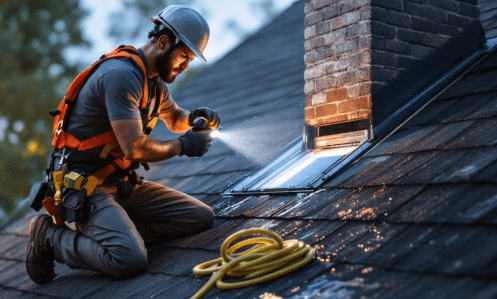
A roof leak rarely begins as a dramatic problem. More often, it starts with a small failure that is easy to miss from the ground. A bit of flashing may loosen. A shingle may lift just enough to let water in during steady rain. A vent seal may crack, allowing moisture to seep beneath the surface. That is why roof repair eagle mountain often begins with careful investigation instead of immediate patchwork. Before a repair can be effective, the source of the leak has to be correctly identified.
What homeowners notice inside the house is not always the place where the roof is failing. A ceiling stain, damp insulation, peeling paint, or a musty smell in the attic may all point to roof trouble, but those signs only show where the water ended up. Water often moves along decking, framing, or insulation before it becomes visible. If the repair is based only on the indoor symptom, the actual opening may remain in place and keep causing damage.
Why Leaks Mislead
Tracking a roof leak is not always simple because the water may not appear directly below the place where it entered. It can get in around a vent or roof joint, follow the decking or framing, and show up somewhere else inside the house. A stain near a wall or in the corner of a ceiling may come from a roof issue much higher up.
That is why the source has to be traced carefully. A roofer cannot rely solely on the indoor stain. The visible watermark only shows where the moisture ended up, not where the problem started. If the repair focuses on the wrong area, the leak can return, and the damage can continue to spread.
Where Leaks Usually Start
Leaks often begin in the parts of the roof where materials meet or change direction. Flashing around vents, chimneys, skylights, and roof-to-wall areas is a common example. These spots depend on tight placement and proper overlap to keep water moving out. When the materials shift or wear down, water can get beneath them.
Valleys also need close attention because they carry a heavy flow of rainwater. Even a small defect in that area can let water in repeatedly. Fasteners can cause trouble, too. When nails loosen or back out, they create openings that allow moisture to work below the surface.
Shingles are still part of the picture, but the issue is not always obvious from the ground. A roof may not have missing shingles and still have a problem. A raised edge, a wind-induced crease, or older shingles that no longer shed water well can all cause trouble during a storm.
Signs To Watch For
In many cases, homeowners notice the effects before they find the cause. Ceiling stains are one sign, but they are not the only one. Damp insulation in the attic, dark marks on wood, soft areas near the roofline, and peeling paint can all suggest that moisture is getting in.
Other clues may show up outside. Granules in the gutters can point to shingle wear. Loose flashing around vents or other openings can mean water has a way under the roof surface. Higher energy bills can also be linked to moisture affecting insulation or airflow in the attic.
The timing matters too. A leak that appears only during wind-driven rain may come from a small opening that becomes vulnerable only in certain weather conditions. A leak that appears after every storm usually points to a more serious problem.
What a Roof Inspection Involves
A proper leak investigation looks at more than the stain inside the house. A roofer will usually check the shingles, flashing, roof penetrations, valleys, sealant, and attic conditions to determine where water is getting in and how far it has traveled.
This kind of inspection helps show the difference between where the leak appears and where the roof actually failed. It can also uncover damage that has stayed hidden so far. What looks minor from inside the house may involve wet underlayment, weakened roof decking, or moisture that has spread into nearby materials. Finding that early can keep a smaller repair from turning into a much larger one.
A careful inspection also keeps the repair from becoming a guessing game. The goal is to find the exact weak spot and see how water has been moving through the roof before any work begins.
See also: Reliable Internet Model 503298999 for Digital Use
Why Costs Can Rise
Roof repair costs often change after an inspection because the first visible sign does not always reflect the full extent of the problem. A small stain on the ceiling can point to damaged flashing, soaked underlayment, softened decking, or water that has traveled farther than expected beneath the roof surface.
That is often why estimates rise. The stain inside may look minor, but the materials beneath the roof surface may tell a different story.
This is another reason roof repair eagle mountain should start with an investigation rather than a fast patch. A repair that only covers the visible symptom may seem cheaper at first, but it often leads to repeat work. Fixing the actual source gives the roof a better chance of staying dry and prevents hidden damage from worsening.
Conclusion
A lasting roof repair starts with knowing where the water got in and how it moved once it entered. Visible signs inside the home matter, but they only tell part of the story. The real job is finding the source, checking the surrounding materials, and repairing the failure in a way that matches the roof’s construction. When that happens, the repair is more likely to hold, the damage is more likely to stay contained, and the homeowner is less likely to face the same leak again.